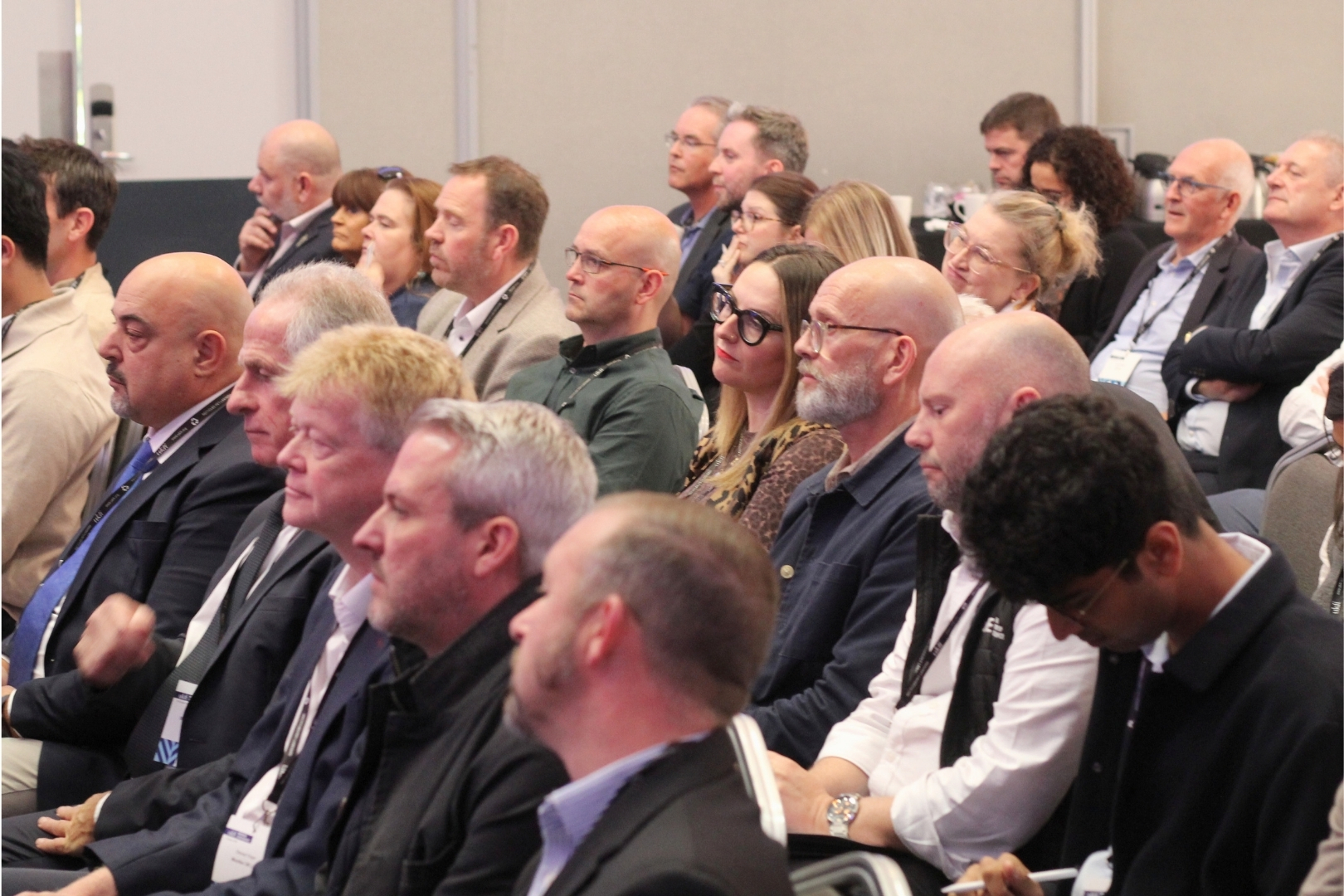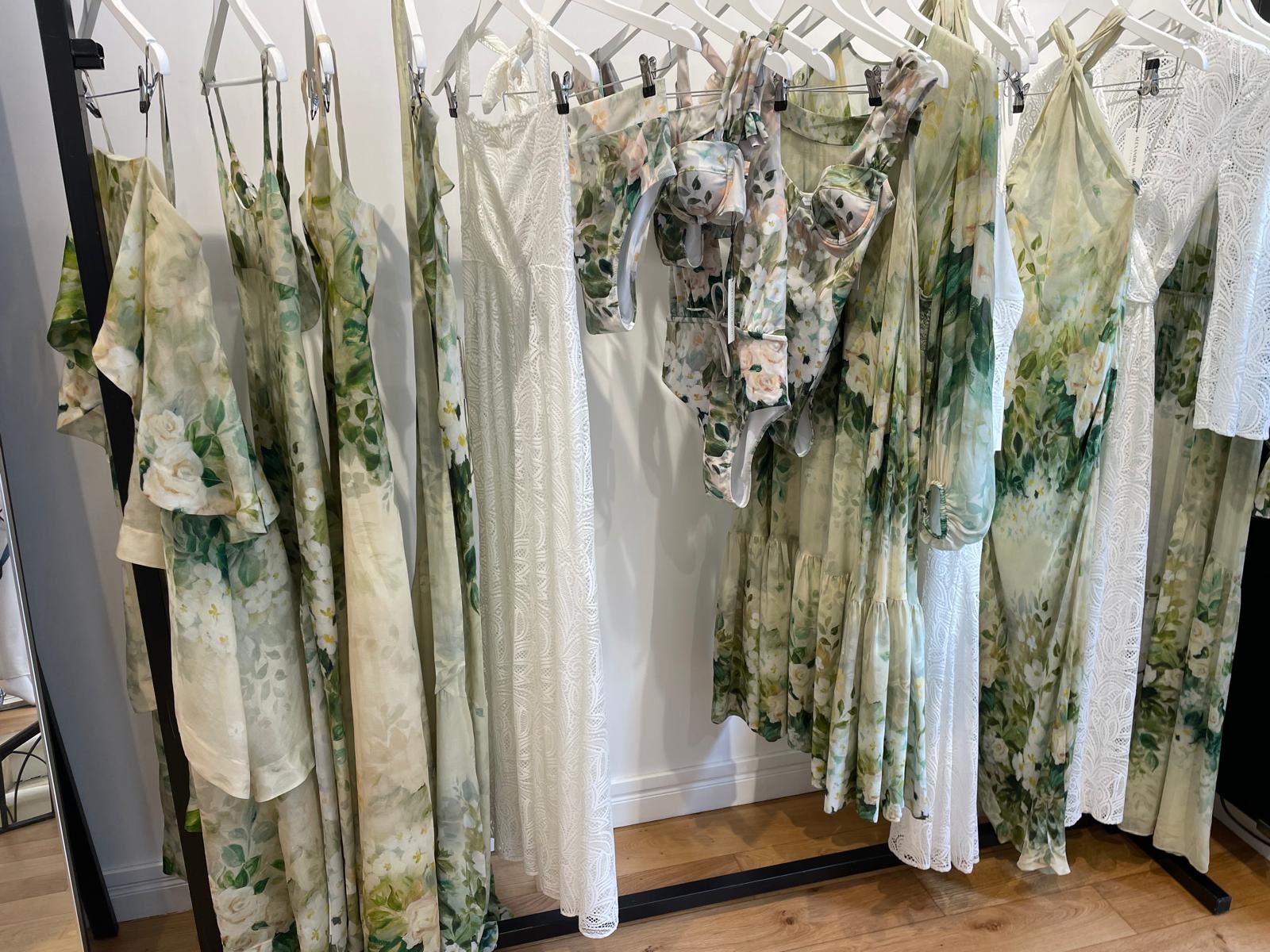
Paris Women’s Fashion Week (PFW) for the Spring/Summer 2027 season took place from 29 September – 6 October and was generally more upbeat and positive than the general world outlook might have suggested. Paris remains the most globally attended fashion market week, bringing together buyers, press and key decision-makers from across Europe, North America, the Middle East and Asia, and is the place where most international wholesale buyers discuss and write their orders.
Paris is home to important international tradeshows, including Première-Classe (accessories), Tranoi Paris and UK run Splash!Paris (swimwear and beachwear) which cover designer, luxury and commercial collections in one city at the same time. These shows are complemented by up to 50 multi-brand showrooms and a whole host of designers showing in locations across the city, including the British Fashion Council-run LondonSHOWrooms showing the London Fashion Week’s NewGen and FashionEast creatives to Paris. Outside the catwalk, tradeshows and multi-brand showrooms there is also a growing number of UK and international brands showing and meeting buyers and press in their own locations and on their own terms.

The British group at Paris Fashion Week
The UK group at Paris Fashion Week has been a central part of UKFT’s work since the concept emerged in the early 1990s and the UK has always been one of the larger groups to show in Paris.
UKFT’s Discover British Brands in Paris map and promotion, which was made possible again thanks to the support of the Department for Business, Innovation, Science and Trade (BIST) brought together 120 British brands and designers as well as 18 UK owned showrooms and shows in a targeted “Discover British Brands in Paris” map and promotion. This long-standing and unique campaign is being looked at by other countries, including Australia, and ensured that UK brands and showrooms were publicised in advance through Modem Online’s digital and physical PFW channels and on UKFT’s website where the map was free to download. BIST’s support also enable UKFT to be present on the ground to offer support and advice to new designers on which shows and showrooms to apply for and support them with customs and trade issues.
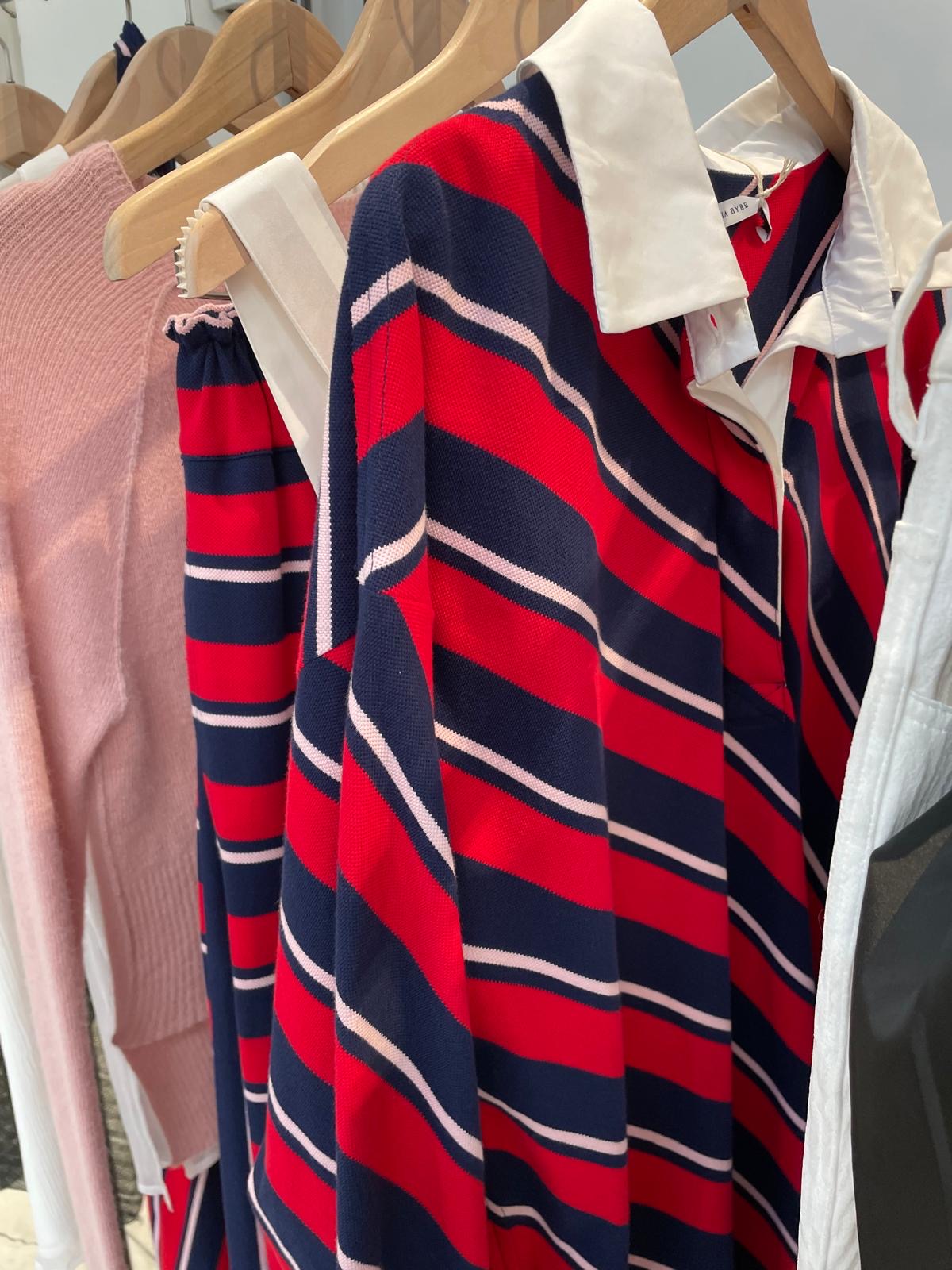
This season, the UK brands were spread across all the tradeshows, multi-brand showrooms, independent brand showrooms and runway presentations. The heaviest concentrations were at Splash!Paris and LondonSHOWrooms but there was a sizeable group at Awaykin and good coverage at Rainbowwave, Emma Jones, Polly King and others and a record number of standalone designers promoted on the map across Paris.
The map is available here.
Overview of the UK group
The British exhibitors were located across three major Paris tradeshows: Tranoï Paris, Première Classe Paris and Splash!Paris, approx.. 30 agency-led multi-brand showrooms, most frequently located in the Marais district (3rd or 4th arrondissement) or the 8th arrondissement with Liberty and Johnstons of Elgin on the Rive Gauche and the remainder in their own standalone spaces.
UK brands at major tradeshows
Tradeshows remain an important entry point for international buyers seeking contemporary brands and accessories and vice versa. They give buyers the ability to discover new products and to see which styles and trends are selling well.
Première Classe Paris
This long-established accessories tradeshow is an important one for accessories buyers and hosted many high-end British brands including:
- Brady Bags
- Kate Sheridan
- Misa Harada
The show covers leather goods, millinery, footwear, scarves, jewellery, handbags, hair products and accessories, categories that traditionally perform well in international export markets but do not always fit across smaller multi-brand showrooms. The show is a good place for quality accessories brands looking to present new products to global accessory buyers before they move on to showrooms to work with those brands they probably know already. Alongside Première Classe was RUN Showroom, an avant-garde incubator space for emerging designer talents.
Tranoï Paris
Tranoï continues to attract premium contemporary fashion labels and is home to a number of government-supported groups. This season government promotions included Thailand, and Africa (organised by Canex) – these exhibitors had their show space and travel costs met 100% by their governments. There was also a strong presence of new brands from India showing for the first time with well-designed collections. Indian manufacturers are keen to sell to the UK and the EU. The UK-India trade agreement came into effect in 2026 and the EU equivalent enters into force in 2027.
UK exhibitors included:
- Simeon Farrar
- Sula Clothing
The show started well with buyers clearly present and positive on the first day but was reportedly quieter over the weekend.
Splash!Paris
Splash!Paris and its new section Splash!Studio were co-located at Pavillon Gabriel on the Champs Elysées.
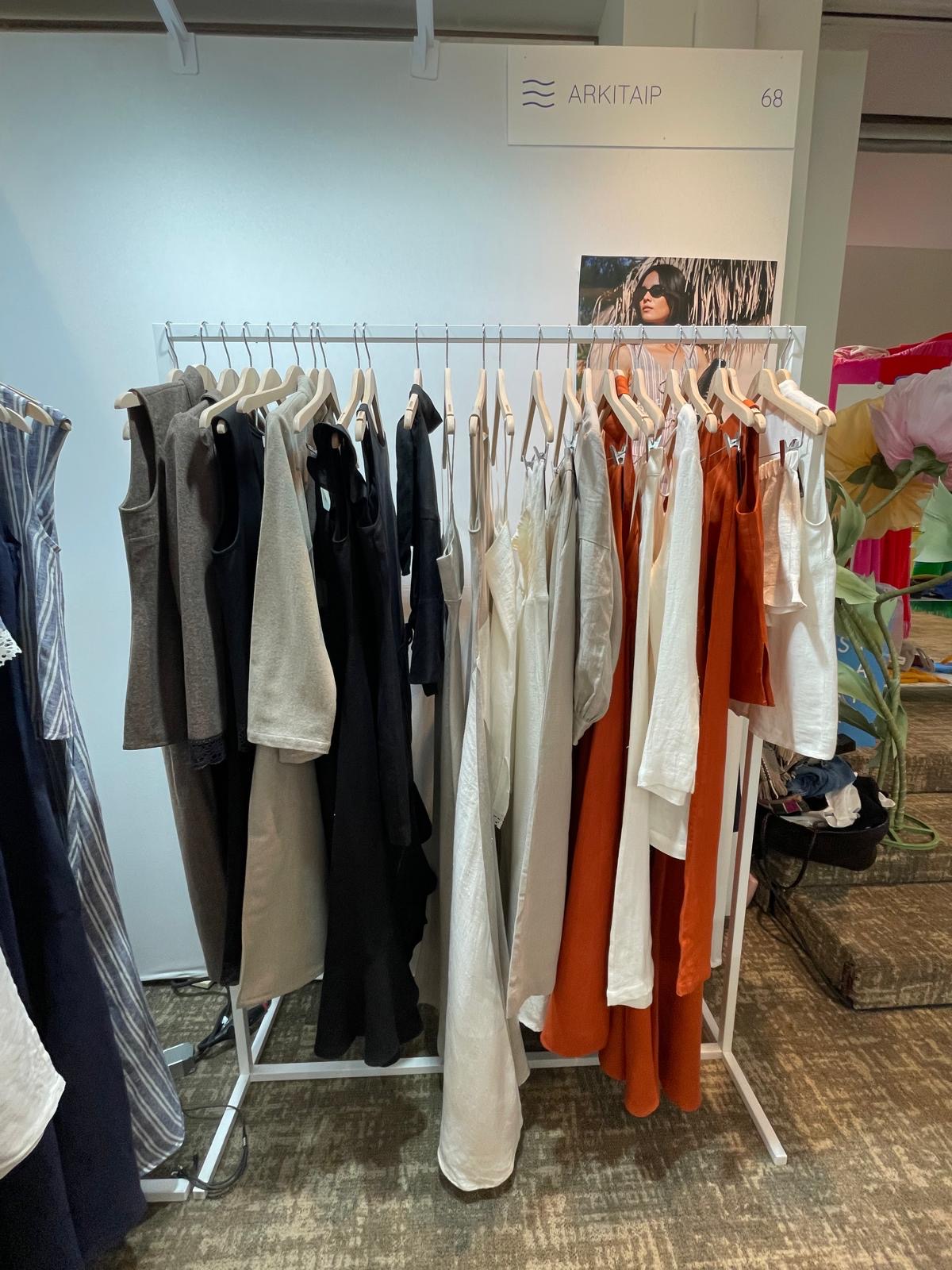
This season the collections included UK swim, beach and resort brands:
- Arkitaip
- Claret Showroom
- HIA Agency
- Karma on the Rocks
- Melissa Odabash
- Mona Swims
- Oceanus
- Sister Jane
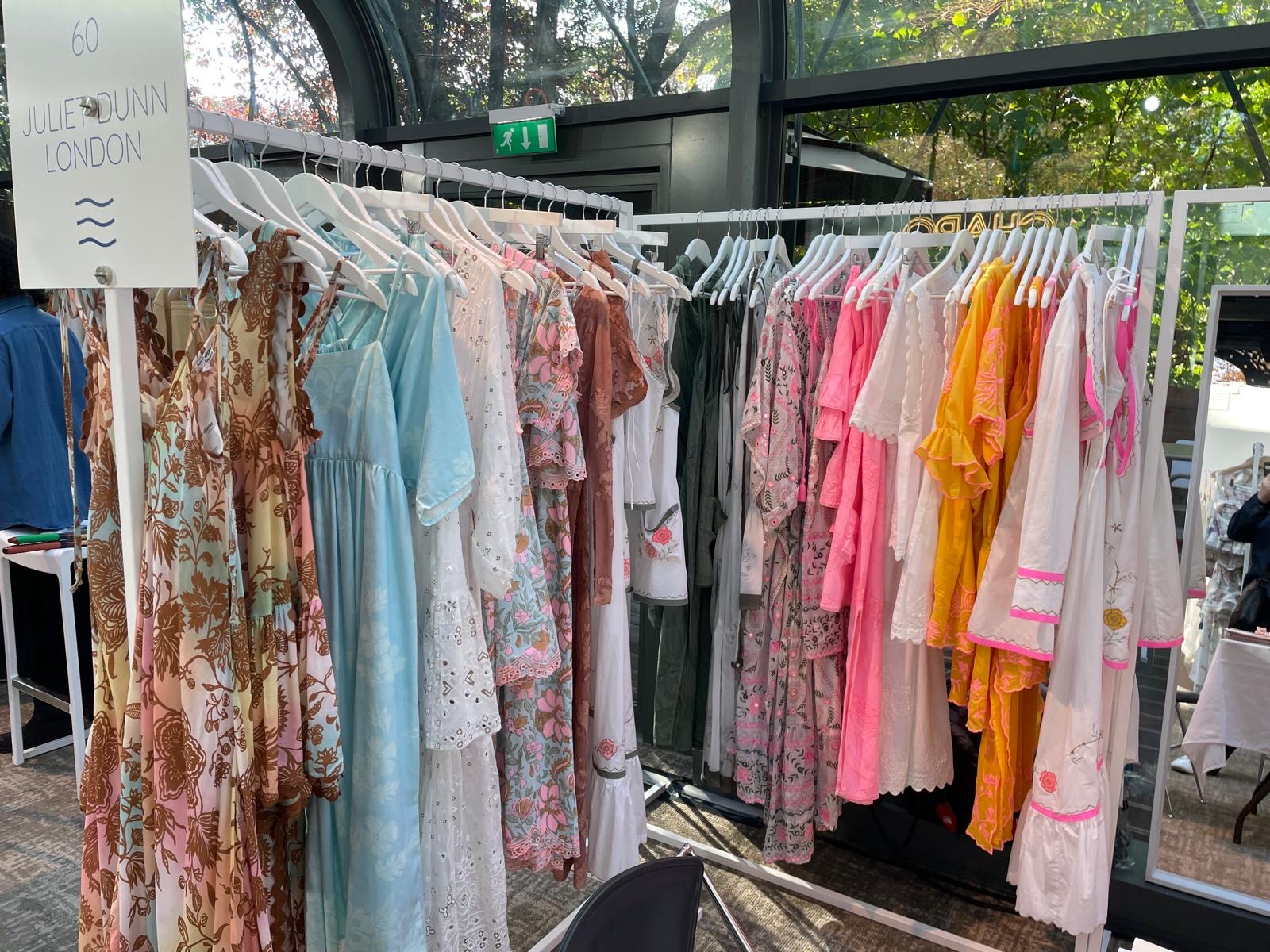
The show was well presented and very busy, especially on the first two days. Whilst buyers were not compelled to visit both spaces, it appeared that buyers were doing that and that the new additional space was very well received.
Claire Spencer-Churchill of Splash!Paris said: “We welcomed record visitor numbers at Splash!Paris this season, up 25% on last S/S, alongside a much more positive mood and strong energy across the show floor. With the addition of our new space, Splash showcased over 140 leading resortwear brands. We also had a stronger accessories offering making it a true one-stop shop for buyers. Our central location and highly curated edit make Splash a must-visit destination for buyers looking for the very best in resortwear.”
Multi-brand showrooms and agencies
A large number of UK brands exhibited through established Paris showroom agencies. These showrooms, (many of which are British or Italian-owned) operate on an appointment-only basis and allow buyers to view several brands within one location.
Key agencies presenting British labels included:
- Arddun Agency (UK)
- Awaykin Showroom (UK)
- Brera Mode (IT)
- CSM Italian Agents Collective including Studio Zeta, Daniele Ghiselli and Elisa Gaito (IT)
- Emma Jones Consultancy (UK)
- LondonSHOWrooms organised by the British Fashion Council (UK)
- Maison Pyramide (IT)
- Nouvelle Box (UK)
- Paperkiss (UK)
- PaperMacheTiger (UK)
- Pirnia (UK)
- Plus Plus (US)
- Polly King & Co (UK)
- Purple PR (UK)
- Rainbowwave Showroom (UK)
- Schröroom (UK)
- The Alphabet Showroom (UK)
- The Jewellery Showroom (UK)
- Tora Tora (IT/UK)

Showrooms this season appeared to outperform some of the tradeshows (excluding Splash!) in terms of visitor buzz, although it is easier for a showroom to look busy compared with a larger tradeshow.
Multi-brand showrooms play a crucial role in the wholesale ecosystem, particularly for independent brands which rely on agency representation and contacts to access international retailers. Showrooms have deep relationships with their buyers so can work in depth with a selected number of buyers and brands which they usually see at the fashion week every season.
Traditionally showrooms, other than LondonSHOWrooms, operate a hybrid of in-house brands they represent on a commission basis and rent space to on a guest basis. Increasingly agencies prefer to have more in-house accounts as this provides a more reliable income stream to help with ever increasing Paris rents. Some have also replaced some of their UK brands with EU and other brands, especially where these are either cheaper and easier to sell or where they can “ship from the EU” to make it attractive for local buyers.
As the number of brands increases relative to the number of quality showrooms, there is increased competition to be accepted by the showrooms often leaving brands having to choose between a trade show and a standalone project, but it is reassuring to see a number of agencies for smaller creatives, such as Schröroom, enthusiastically re-entering the market.
It was evident this season that the showrooms were performing well and that buyers were attending their appointments. Most of the showrooms UKFT visited had people waiting to be served and all reported an increase in buyer appointments.
Emma at Emma Jones Consultancy showroom said: “We felt a renewed sense of confidence coming through this Paris Fashion Week, however, there is still an underlying sense of caution, particularly given the ongoing uncertainty in global affairs. Buyers remain selective when it comes to investing in new brands and products.

“For us personally, it was a very positive market. One noticeable shift this season was how spread out the market felt, with appointments, shows and buyer attendance taking place across a longer period, rather than being concentrated around the usual key days. While the industry is still navigating multiple challenges, there is a growing sense of confidence and opportunity.”
Jade Bradford of Awaykin said: “SS27 saw strong foot traffic from buyers worldwide including North America, Japan, China, Australia and Europe. We are seeing strength in true contemporary priced brands with strong brand awareness, as well as interest in hand made product and storytelling. Contemporary footwear is also showing strength in growth and demand."
Schröroom returned for the second season after a post-Covid hiatus. Lara Schröder said: “We welcomed buyers from all around the world but noticed a slight decrease in US buyers this season. Because of this, we’re investigating New York FW next year because so many asked if we'd be showing.”
Dody Senga of Purple PR, showing UK brands representing Rocio and Mi Borsa said: “This season worked really well for us. Retailers are becoming more selective, focusing on collections that offer clear brand identity, strong commercial potential and a distinctive point of difference. There is also a growing emphasis on versatility, quality and pieces that can translate effectively from the showroom to the retail floor. While buyers remain cautious about budgets and commitments, there is still an appetite for discovering new brands, particularly those offering something unique in an increasingly competitive market.”
Standalone brand showrooms
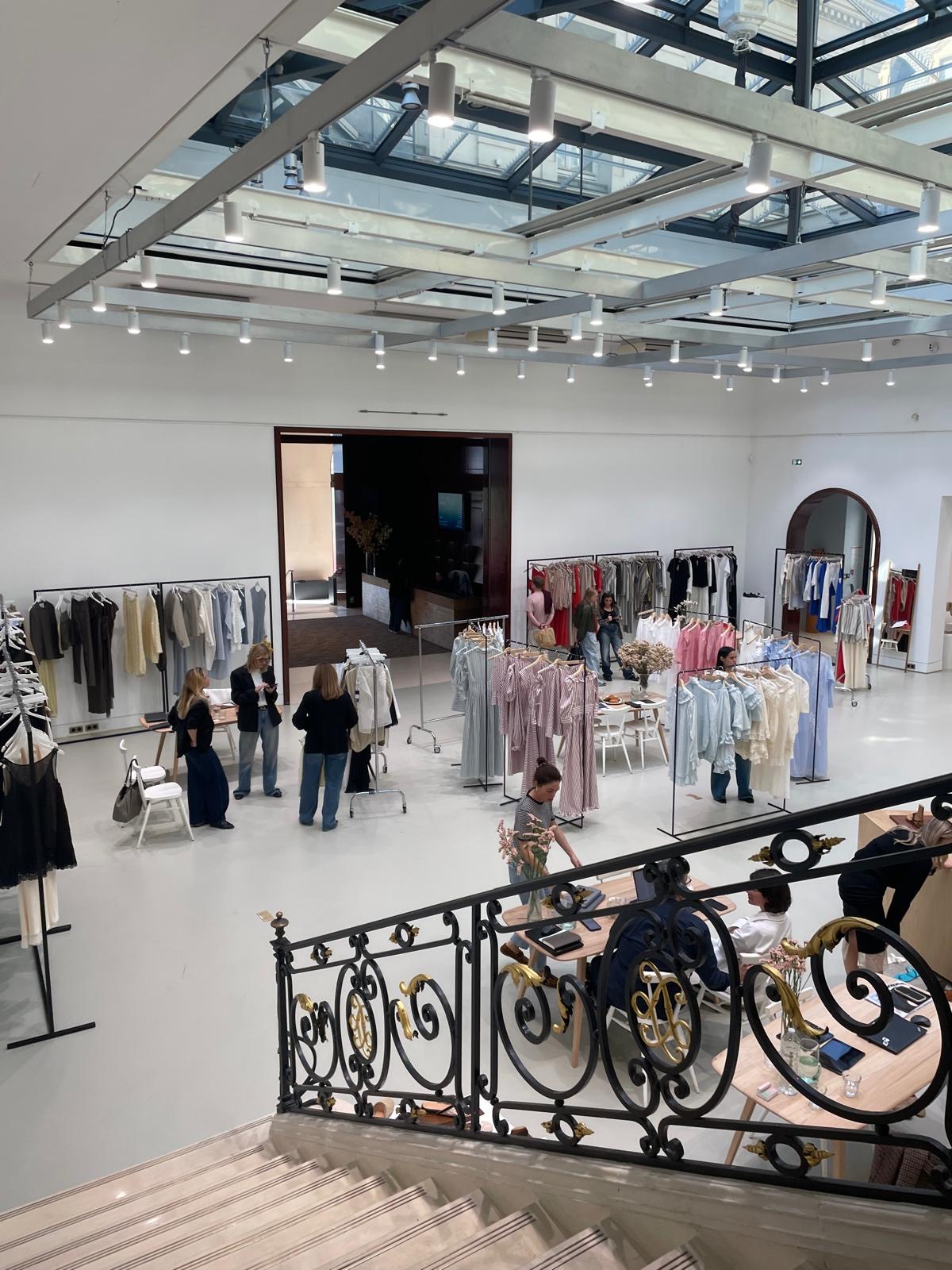
Since the Discover British Brands in Paris map was launched, increasing numbers of British designers have begun to host their own private showrooms, often located in central Paris apartments or gallery spaces. These settings enable longer and more personal appointments with key buyers and press as long as the brands can entice buyers to take the time to visit them.
This season approximately 18 UK brands showed in their own showrooms or private spaces.
UKFT was able to visit a number of these and all echoed comments from the showrooms that the numbers of appointments had generally increased this season.
Aldo Acchiardi of Harris Wharf London said: “We had a productive PWFW for SS27, mostly catching up with buyers who skipped June due to the heat. As a result, the showroom was busy. On the positive side this season, we did manage to reconnect with Japanese customers , following our trip to Tokyo in September."
Cozette McCreary representing Stephen Jones Millinery at Dover Street Market Paris said: “We have had an incredible showroom. Buyers are looking for more “out there” designs and boldness and price is less of a concern there. I’m seeing an uptick in higher value, almost exclusive pieces for SS27. Buyers here know their customers and often have a particular client in mind. Many buy Stephen’s millinery to elevate store merchandising and window/in store displays and then sell out. That is good news for us.”
Buyer attendance
Whilst none of the shows or showrooms publishes official statistics, Paris remains undisputedly the most internationally attended fashion market week. Paris Fashion Week attracts an estimated 8,000–10,000 professional buyers each season, together with several thousand international journalists and fashion media.
Feedback from UK exhibitors suggested that several markets maintained strong in-person attendance in September/October 2026:
- Europe: France, Italy, Germany saw the strongest presence with a number of brands suggesting that France has re-become one of their strongest markets this season, especially in the heritage and luxury markets. In Paris itself it was interesting to see that most stores are seeing an increase in luxury sales to non-EU consumers, supported by the EU’s VAT refund scheme which acts as a major incentive to buy in the EU. There was a noticeable upturn in US and Russian consumers shopping in Paris.
- North America: United States and Canada – generally upbeat and positive. US buyers seemed particularly positive again this season. Canadian buyers were still looking for non-US product, as we had seen earlier in the year. The US department stores were said to be buying from the UK with no reports of late payments, especially important since Saks Global exited Chapter 11 and rebranded as Exemplar Luxury Group (ELG). October is an especially important market for the US “holiday” season as well as “cruise/resort” making this edition especially important for this market.
- Asia: Japan, South Korea and China – Chinese stores were upbeat this season. The UK-China relationship is currently more positive but it is volatile and quick to change. Korea was even more upbeat, especially for trendier products for the Korean independent market rather than larger luxury brands for re-export. Japanese buyers remain price-conscious and cautious but were very visible and clearly looking at new products and trends for SS27.
- Middle East: The Middle East saw a dramatic uptick compared with June. The UAE, Saudi Arabia, Qatar, Israel and Lebanon all travelled. Buyers from Lebanon were especially commented on as they are always quick to travel even when circumstances are difficult at home. The Middle East remains especially important for UK cocktail and eveningwear and luxury both for locals and consumers from further afield, including India and Russia. Paris continues to outperform Milan in this category.
Whilst the world remains cautious and buyers base their projections on the hope that there will be an end to some of thew world’s conflicts in 2027, Lara Schröder and some others pointed to a new trend the industry is beginning to see, especially in the US: “An interesting insight from US buyers was that the prolific use of weight-loss medications has changed the retail landscape there. Flowing, oversized, draped or heritage style-cuts (especially across the dress category) have fallen out of favour as customers choose to show off their slimmed down figures whilst keeping 'problematic' areas, such as upper arms, covered.”
Other issues
Growing compliance burden and rising protectionism
Many of the conversations UKFT had with designer fashion businesses and brands at the shows and showrooms confirmed that they too are deeply concerned about the growing burden and cost of complying with the EU’s expanding body of product-related, packaging and supply-chain regulations – most of which appear not to be called for by consumers who will have to pay for them! Conversations with EU brands suggest that they are also struggling with these issues which are often not well thought through and potentially undermine parts of the EU single market, making even EU brands uncompetitive in global markets – exactly the opposite of the EU’s stated objectives.
UKFT is discussing this issue as a matter of urgency with HMG, British Embassies and other organisations and will be advising that the UK can and should negotiate from a position of strength if other trading partners continue to enact protectionist policies, either openly or by stealth, which potentially undermine or devalue our trade agreements with them.
Similarly, UKFT is in contact with HMG on the EU’s “Made in Europe” industrial policy, intended to strengthen European manufacturing, supply chains and strategic industries by directing investment and public procurement towards European production. Whilst the policy makes a lot of sense, there is concern that this could create a structural preference for European manufacturers and suppliers, adding to the competitive disadvantage already created by Brexit-related trading and compliance costs. It is not yet clear whether the UK will be accepted as a “Made in Europe” partner.
UKFT is lobbying for the UK to be formally recognised as a “Made in Europe” supply source and for the UK to join the Pan-Euro-Mediterranean Convention (PEM) agreement but will also push HMG to consider similar requirements in the UK if this is not possible.
ATA Carnet update
UKFT was pleased to see that both the UK and French border authorities are now able to use the digital version of the ATA Carnet to carry samples from the UK to the EU as this was not the case in France in June. It is clear that UK and French Customs still have some way to go to ensure that those who hand-carry goods on an ATA Carnet can process these correctly on both the outward and the return journey and many companies commented that they had received excellent service and advice from UKFT’s discounted Carnet service at Birmingham Chamber of Commerce. (UKFT members received a discount and priority service on ATA Carnets via their membership. Contact membership@ukft.org for details).
In conclusion
Despite ongoing changes in buyer travel patterns, Paris remains the most important global marketplace for designer womenswear.
For next year, while some brands are said to be considering prioritising January (men’s and pre-) over March (women’s main), some showrooms were questioning whether they could afford to show in January while some others were considering moving their January shows into December to meet ever tightening production and sales deadlines in key markets including the US.
Paul Alger MBE, International Business Director at UKFT said: “The SS27 edition of Paris Women’s Fashion Week was a qualified success for most UK designers and brands. The challenges of rising compliance costs and burdens, especially in the EU, were on everyone’s lips as well as grave concerns over energy and global security but there were some particularly strong collections this season which resonated with the buyers. They came, saw and did business with UK designers and brands.”