



Apprenticeships combine employment with structured skills development tailored to the fashion and textile sector. Designed by employers and supported by UKFT, these training routes help individuals develop job-ready capability and support businesses to build their workforce with qualified talent. Apprentices gain practical experience alongside recognised qualifications, from entry level through to higher vocational training.
An apprenticeship is a paid job with an integrated training programme that combines workplace experience and off-the-job learning. Apprentices develop technical knowledge, practical skills and workplace behaviours required for their specific role and future career progression. Apprenticeships are part of a nationally recognised qualification system and are typically supported by public funding arrangements in the UK.

.jpeg)
Apprenticeships help businesses develop a skilled workforce and address skills gaps, while offering learners the opportunity to earn a wage and gain hands-on experience without incurring student debt. For employers, apprenticeships can improve productivity, foster loyalty and strengthen internal capability. For apprentices, they provide structured progression and industry-recognised qualifications at a range of levels.
Apprenticeship standards and pathways
What’s available in England
Level 2 Footwear Manufacturer
Level 2 Sewing Machinist
Level 2 Material Cutter
Level 2 Textile Manufacturing Operative
Level 2 Commercial Laundry Operative
Level 2 Leather Craftsperson
Level 3 Fashion & Textiles Pattern Cutter
Level 3 Bespoke Saddler
Level 3 Knitted Product Manufacturing Technician
Level 3 Garment Maker
Level 4 Textile Technical Specialist
Level 4 Fashion and Textiles Product Technologist
Level 5 Bespoke Cutter & Tailor
What's available in Scotland
Level 5 Modern Apprenticeship in Fashion and Textiles Manufacture and Aftercare
Textiles/Technical Textiles
Textile Care Services
Sewn Products
Leather Production and Manufacturing
Level 6 Modern Apprenticeship in Fashion and Textiles Heritage at SCQF
Kiltmaking
Level 7 Modern Apprenticeship in Fashion and Textiles Heritage at SCQF
Textiles/Technical Textiles
Leather Manufacture
What’s available in Wales
Welsh Apprenticeship Pathway in Fashion and Textiles
Level 2 Textiles
Level 2 Sewn Products
Level 3 Textiles
Level 3 Apparel
Level 3 Tailoring
Level 4 Technical Textiles
Level 4 Product Development and Sourcing
Level 3 Tailoring
What’s available in Northern Ireland
Level 2 Apprenticeship Framework - Fashion and Textiles
Pathway 1 Textiles
Pathway 2 Sewn Products
Apprenticeships are open to individuals at different stages of their career. They provide a structured progression from entry level (equivalent to GCSEs) through to advanced and higher levels (up to foundation degree). Apprentices must be employed as part of a training contract and typically spend at least 20 per cent of their time on formal training activities.
- Earn a wage while you learn
- Gain a recognised qualification
- Combine practical workplace experience with off-the-job learning
- Apprenticeships can take 1–4 years depending on level and programme

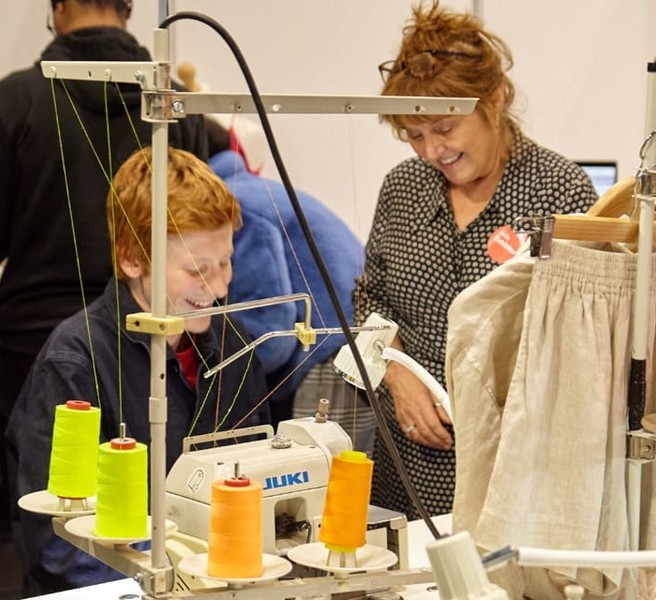
Hiring an apprentice supports business growth and helps you develop the skills you need. UKFT’s Skills Analysis Service offers guidance on available apprenticeships, funding and choosing training providers. Apprentices can support a range of roles from manufacturing and technical functions to creative and product development.
- Support workforce development with funded training
- Grow productivity through tailored on-job training
- Strengthen retention and capability within your business
- Access UKFT support for standards, funding and provider selection
Find out more about how to take on an apprentice in your region.

Most apprenticeships are delivered in partnership with external training providers, including further education colleges, universities and specialist private providers. Training providers deliver off-the-job training, core skills such as English and maths, and support apprentices to meet the required assessment outcomes.
Employer, provider and apprentice work collaboratively to ensure qualifications are met and apprentices are prepared for independent end-point assessment where applicable.

UKFT offers additional support to both employers and training providers. This includes expert advice through the Skills Analysis Service, guidance on funding and qualifications, and engagement with the wider UKFT network of employers and education partners. Resources and support help streamline recruitment, maximise funding and ensure apprentices receive high-quality training.

By subscribing you agree to with our Privacy Policy.


