The Circular Fashion Innovation Network (CFIN) presents its landmark report detailing two years of industry-led collaboration to accelerate the UK's transition to a circular fashion ecosystem. Led by the British Fashion Council (BFC) and UK Fashion & Textile Association (UKFT) in partnership with UK Research and Innovation, CFIN has successfully mobilised the fashion and textiles industry toward a circular future.
Key Achievements
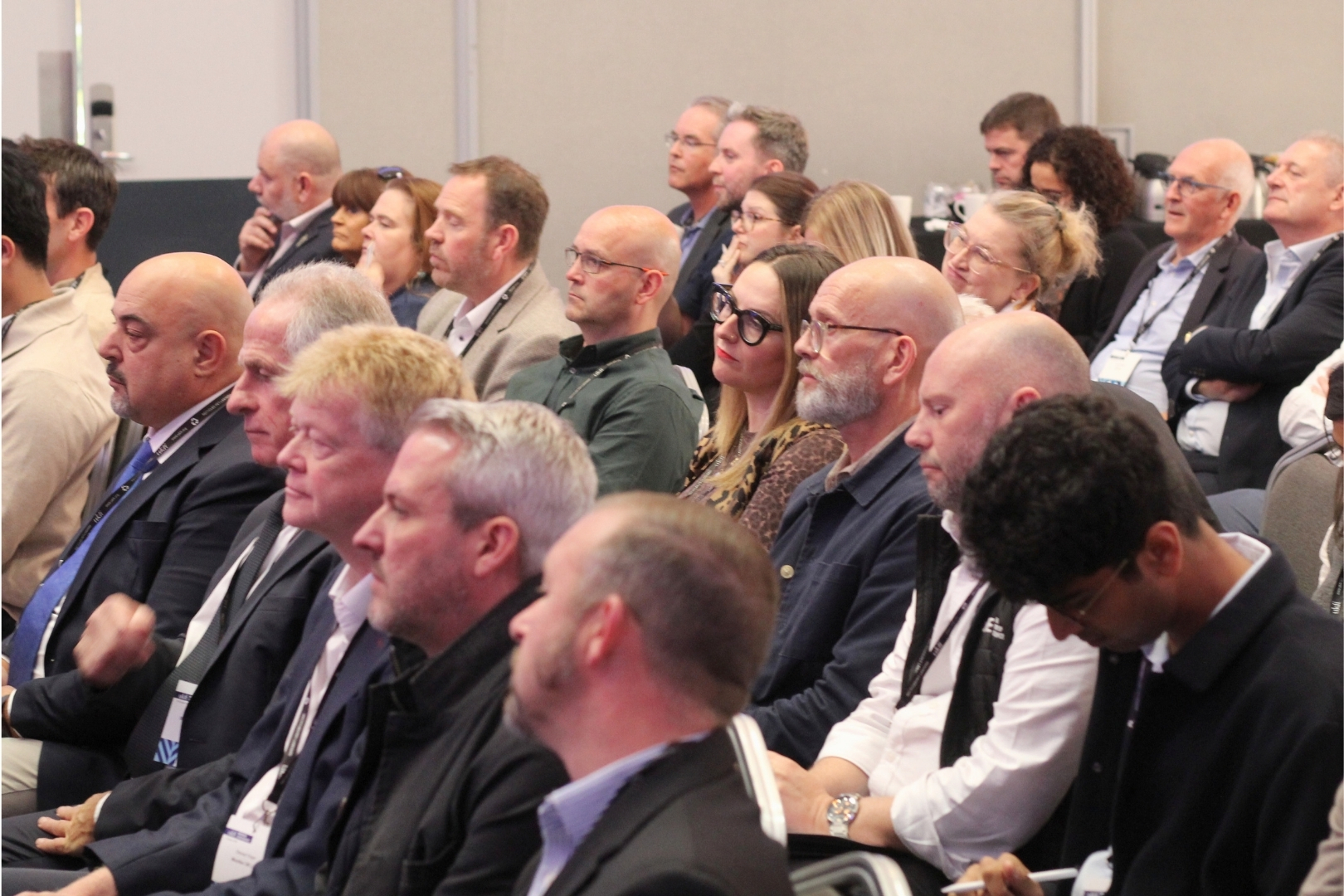
By convening more than 250 organisations spanning the entire fashion value chain - from raw material suppliers to end-of-life processors - CFIN has created unprecedented alignment around practical pathways to circularity. Our Circular Business Models (CBM) Working Group alone represents businesses accounting for 42% of UK clothing sales by volume.
Our collaborative work has delivered key transformative outputs with significant industry support, including the following.
Comprehensive National Textile Recycling Infrastructure Plan
This provides a strategic roadmap for developing domestic recycling capabilities to process the 1.3 million tonnes of post-consumer textiles generated annually in the UK. This groundbreaking plan addresses four key areas:
- Building advanced infrastructure to enable automated textile sorting, pre-processing, and fibre-to-fibre recycling
- Investing in technology to drive automation and innovation
- Developing workforce skills to support substantial job growth across emerging textile recycling supply chains
- Expanding market capacity to establish a strong, economically viable market for recycled textile products
Socioeconomic impact analysis demonstrates the enormous potential benefits of this infrastructure. The modelled National Textile Recycling Hub, integrating three automated sorting plants and a chemical recycling facility, represents a £277 million investment opportunity that would generate hundreds of new jobs and millions in economic benefits for the UK economy.
Detailed Extended Producer Responsibility (EPR) Framework for Textiles
Developed through our policy working group and collaboration with experts across government and industry, this practical, industry-supported framework is built on three core principles:
- Mandatory participation across all fashion and textile manufacturers and retailers to create a level playing field
- Variable eco-modulated fees that reward sustainable practices and penalise environmentally harmful ones
- Funds raised, ringfenced for reinvestiment in circular fashion and textiles innovation and infrastructure
Circular Business Models Analysis
Detailed analysis of circular business models shows that while 81% of fashion organisations include circularity in their five-year strategies, 63% of customer-facing initiatives remain in pilot phases.
Next Steps
From our work, we've identified clear priority next steps that require continued funding:
Circular Business Models: Launch an accelerator programme for mid-sized brands and retailers to scale CBMs.
Sustainable Manufacturing: Test automation, robotics and artificial intelligence solutions in manufacturing environments.
Recycling Infrastructure: Develop a 5-10 year roadmap and undertake cost and environmental analysis of the National Textile Recycling Infrastructure Plan.
Our Call to Action
The foundations established over the past two years provide an essential platform for future progress, but implementing systemic change requires sustained effort and resources.
With continued support for programmes like CFIN, industry can work together toward new skilled jobs, UK-based manufacturing, a thriving ecosystem of circular innovations, and competitive advantage for UK brands and retailers.