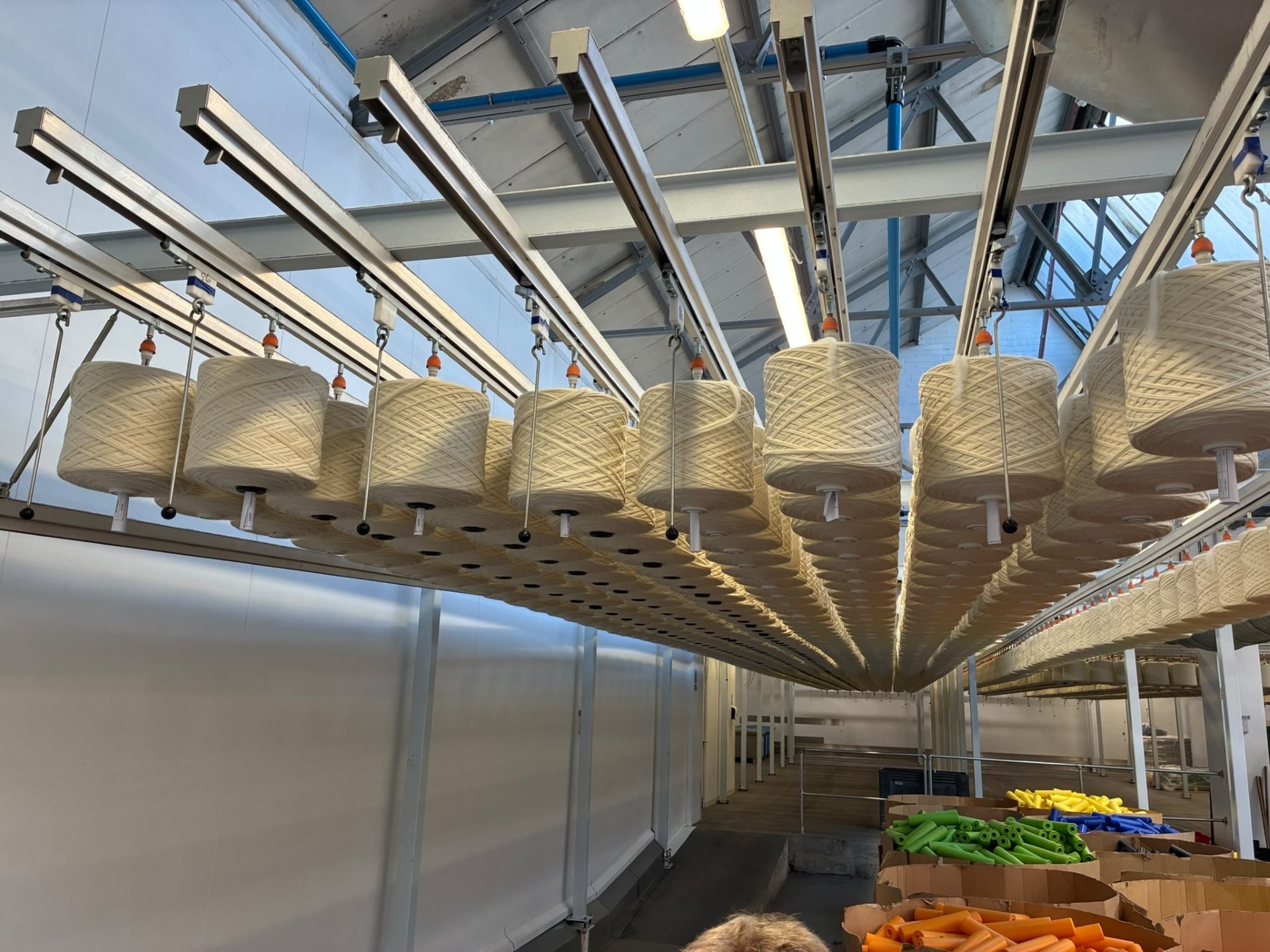
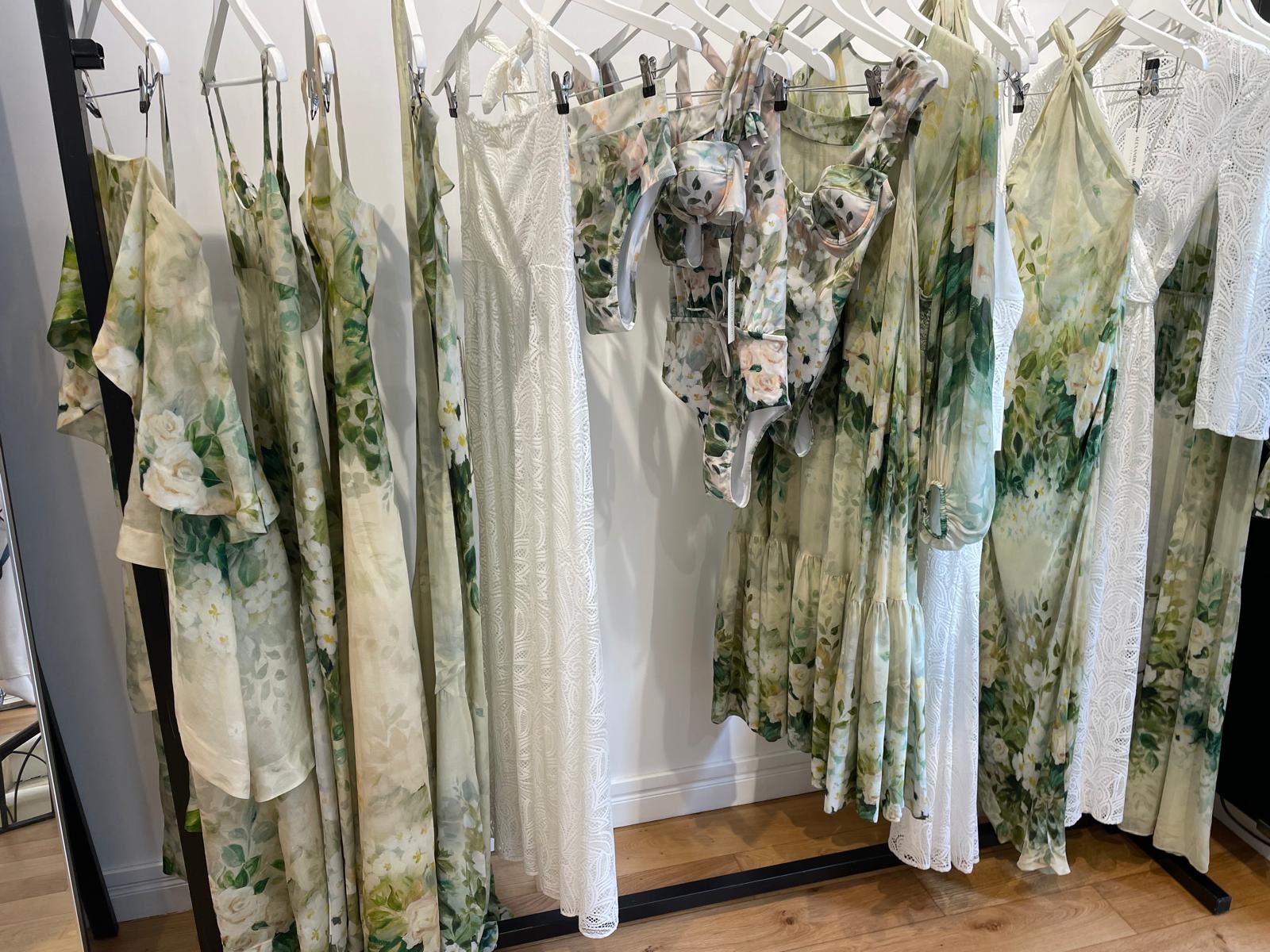
A new report fromWEFTshares insights from a group of small and medium-sized UK fashion and textile businesses that took part in the Extended Producer Responsibility (EPR) Data Sandbox project. The project aims to gather data that can inform the development of a fair and practical EPR fee system tailored to the UK market.Supported by funding from the UK Fashion & Textile Association (UKFT) and the Circular Fashion Innovation Network (CFIN), WEFT assessed the products made and sold by a diverse selection of smaller UK-based fashion and textile brands: Abraham Moon, Erdem, John Smedley, Margaret Howell and TBCo.The report draws on data from over 300,000 new products and offers practical insights into reducing costs while improving environmental performance.What the participants saidKaty Fisher at Abraham Moon said:"Working withWEFT on the SME stream of the EPR Sandbox was an excellent opportunity to see how our values translate into measurable impact. The analysis showed our products scored well, reinforcing that high-quality, heritage production can align with modern environmental goals."Corinna Brabazon at Erdem said:"Participating in the SME stream of the WEFT Sandbox was a fascinating experience. It gave us meaningful insight into how our material choices could influence potential EPR scores."Lauren Sawyers at TBCo said:"We believe a variable EPR system for textiles is the best way to address the major challenges our industry faces. Fashion and textile SMEs are a vital part of the UK economy, and we're pleased to supportWEFT as they continue into phase two of the Sandbox."About EPREPR policy makes producers responsible for the costs of collecting, sorting and recycling products at the end of their life. In practice, this usually means a fee is applied to each product sold to help fund its eventual disposal and encourage more sustainable product design.For an EPR policy to succeed, it needs to reflect local market needs and support industry-specific sustainability targets. It also needs to be practical and proportionate, particularly for SMEs, which form the backbone of the UK fashion and textile industry.UKFT believes that an effective system must involve SMEs meaningfully, without imposing disproportionate reporting burdens. A flexible model can reward sustainable practices, retain investment within the sector and support innovation, giving SMEs the opportunity to contribute, innovate and succed.Report highlightsData challenges and solutions: Many brands store product and sales data separately, making analysis difficult. This project developed a method to link product identity, sales and weight data, enabling more accurate and actionable insights.Circularity: The report proposes a central fund to support repair, reuse and recycling initiatives. This could drive real change through sustainable reinvestment in the industry.Variable fee systems: The team tested several models, comparing fixed and variable fees. Systems that link fees to item weight and circular features helped incentivise better design and more accurate reporting.Industry impact: Scaling a variable fee system could unlock significant funding for circular initiatives and help brands save by adopting sustainable design. Modelling shows strong benefits for the UK market, with potential for broader international application.Find out more about the EPR Data Sandbox project and UKFT's ongoing work to support sustainability and innovation in the UK fashion and textile industry via the links below.DOWNLOAD THE REPORT HEREEPR DATA SANDBOXUKFT INNOVATION & SUSTAINABILITY