Annual Conference on Innovations in EPSRC Textile Recycling
05/11/2025
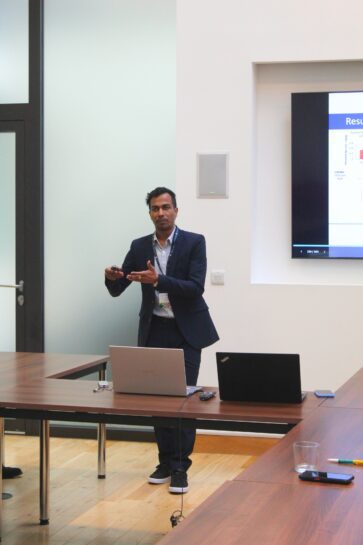
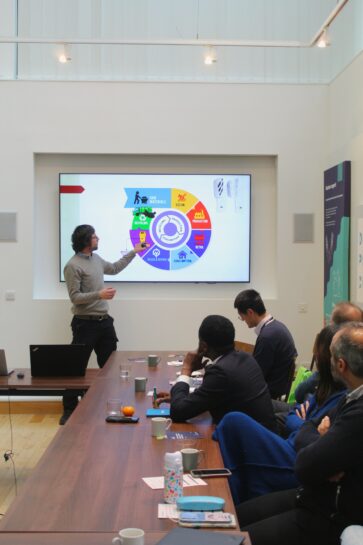
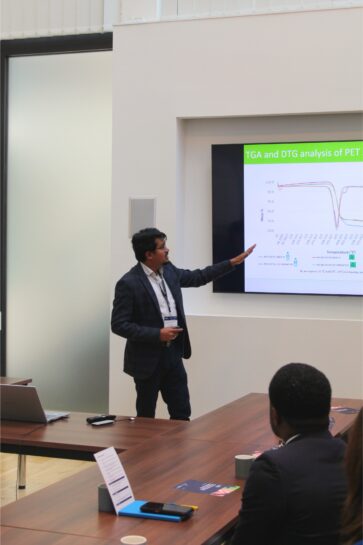
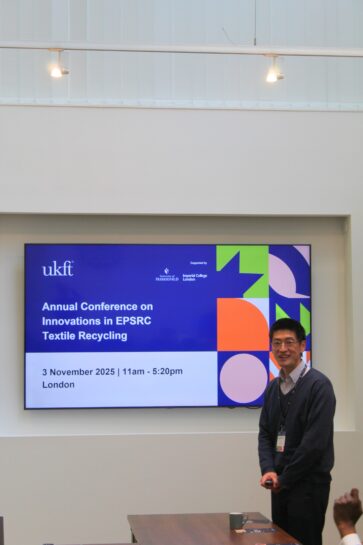
UKFT hosted the Annual Conference on Innovations in EPSRC Textile Recycling in London on 3 November 2025, bringing together academic, industry and sustainability leaders to share progress in advancing textile recycling technologies.
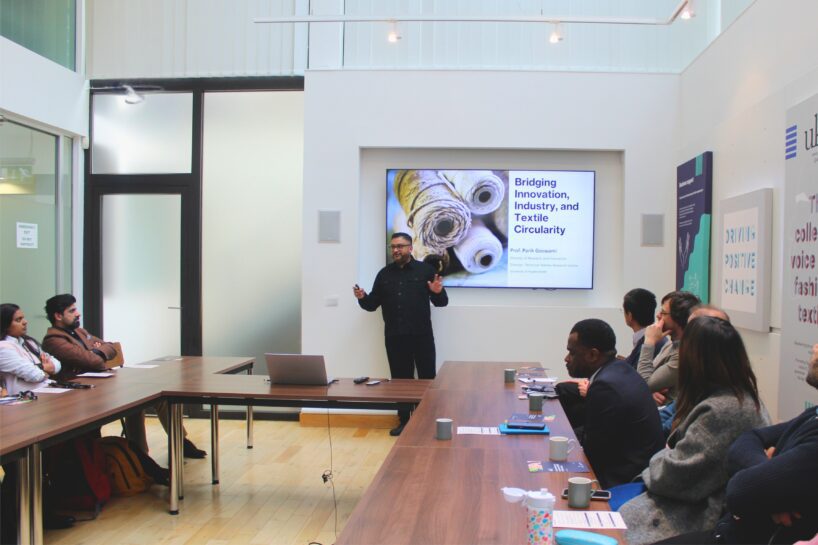
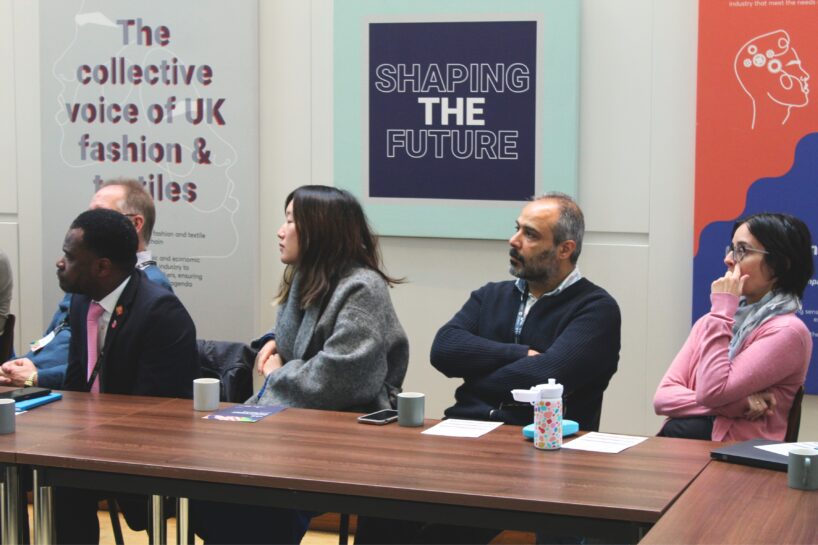
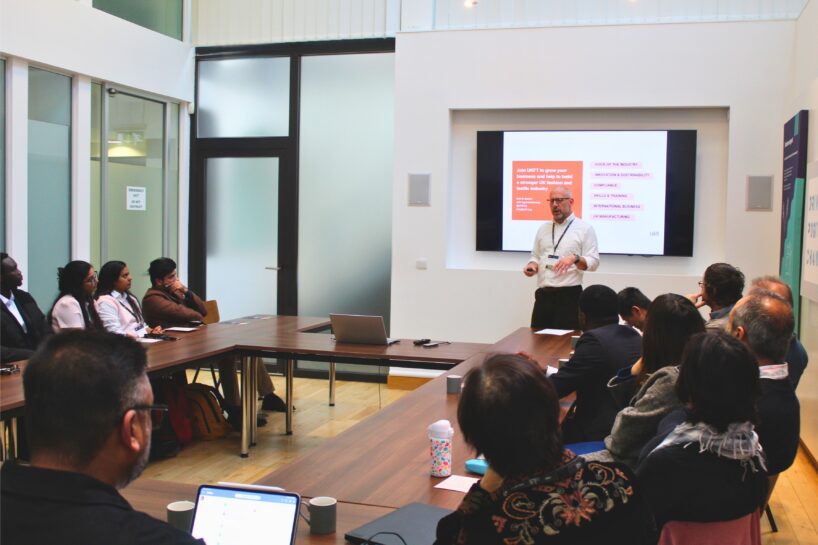
Professor Chenyu Du from the University of Huddersfield opened the event with an overview of the EPSRC-funded project, which focuses on recovering value from textile waste through a combination of:
- Plastic recycling from textile waste
- AI-assisted waste sorting
- Enzymatic hydrolysis
- Ionic liquid extraction
- Fibre formation
- Energy recovery
- Life Cycle Assessment (LCA)
Professor Du highlighted the collaborative approach, with partners including TRAID, Dyerecycle and Maxwell Style, and summarised the key work packages:
- WP1 (AI-assisted sorting, 12 months) – development of a spectrophotometer-based model
- WP2 (Enzymatic hydrolysis, 8 months) – cellulase production, testing of commercial enzymes, and development of hydrolysis assessment methods
- WP2 (Ionic liquid extraction, 2 months) – project initiation and early trials
- WP3 (Re-spinning, 4 months) – re-spinning PET fibre and converting cotton fibres for reuse
- WP5 (LCA, 4 months) – development of environmental and cost-based life cycle models
Adam Mansell from UKFT provided an overview of the UK’s textile waste landscape, underlining the urgency of developing effective recycling solutions to address the growing volume of post-consumer textiles.
Professor Parik Goswami, Director of Research and Innovation at the University of Huddersfield, emphasised the importance of industry-research collaboration to accelerate scalable innovation in textile recycling.
Technical presentations
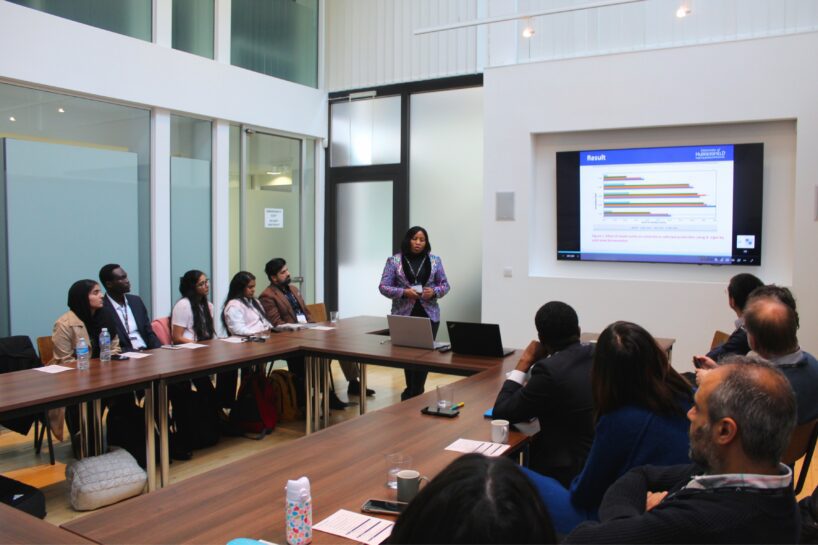
- Dr. Ali Nawaz (University of Huddersfield) presented his latest work on bioprocessing textile waste for plastic and cellulose recycling, using enzymes and ionic liquid-pretreated fabrics.
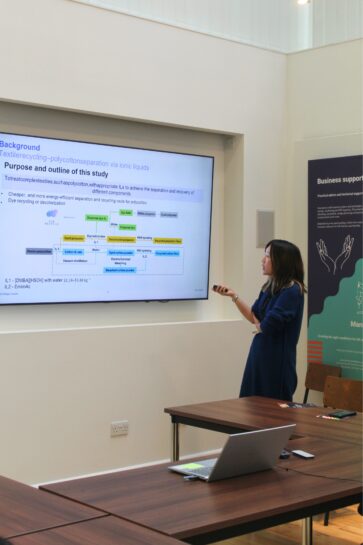
- Dr. Xuantong Sun (Imperial College London) discussed ionic liquid treatment of complex textiles, focusing on polycotton separation, cotton hydrolysis, and wet spinning using suitable ionic liquid systems to achieve efficient material recovery.
- Dr. Saikat Ghosh (University of Huddersfield) outlined his work on recycled PET and cellulosic fibre recovery strategies. The work package aims to reprocess recovered PET and cellulose into high-quality recycled materials for technical and performance textiles.
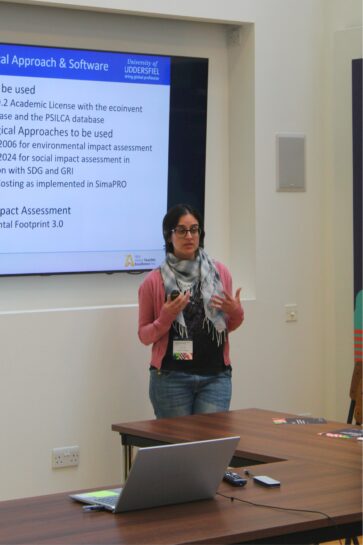
- Dr. Antonia Vyrkou (University of Huddersfield) presented the Life Cycle Assessment (LCA) of textile recycling processes. Her team is developing models covering environmental impact, life cycle costing, eco-efficiency, and social LCA. The assessment benchmarks enzymatic hydrolysis and IL treatment routes against incineration and landfill baselines (ecoinvent GB processes). She invited further data and input from partners as modelling progresses.
- Dr. Andrew Hebden (University of Huddersfield) addressed Textile Recycling – Moving out of the 1% Club, highlighting the need to scale innovation from pilot studies to mainstream adoption.
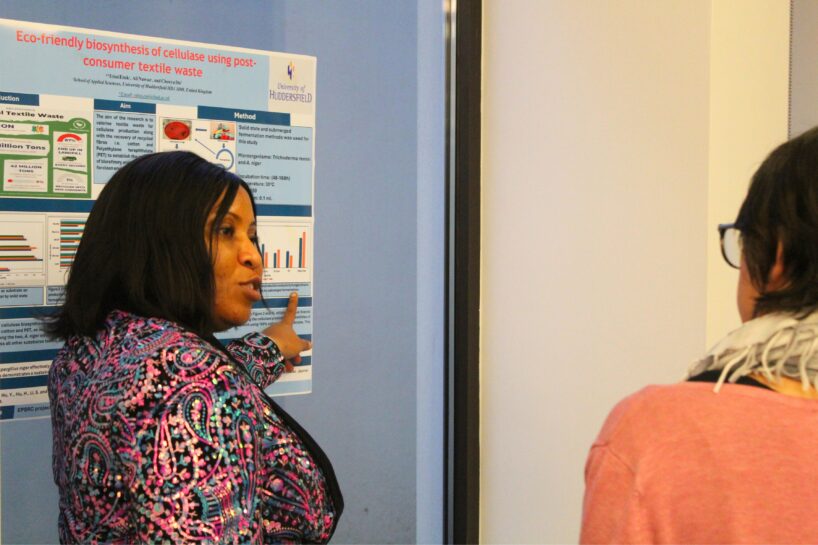
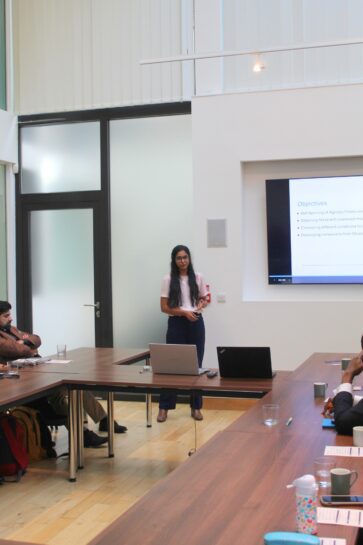
A series of PhD researchers presented emerging work, reflecting the project’s diverse innovation base, including:
- Philip R. Fernando – Optimising Dye Removal from PET Textiles Using Cyrene
- Gargi Dandegaonkar – Preparation and Characterisation of Sustainable Fibres from Alginate
- Etini Etuk – Eco-friendly Biosynthesis of Cellulase Using Post-Consumer Textile Waste
- Josiah Umaru Peter – AI-based Sorting of Textile Waste Using Spectrophotometry
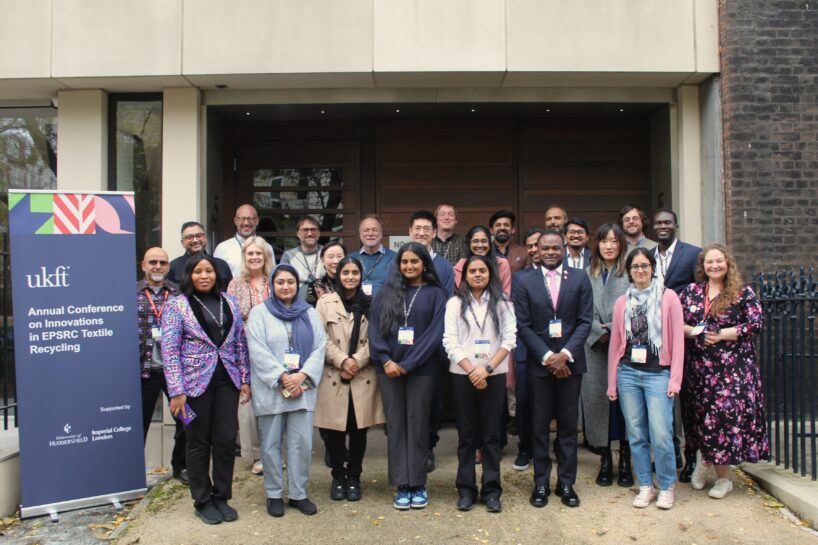
Closing speeches were delivered by Tara Hounslea from UKFT, James Hall (Parallax) and Professor Carol Lin (Hong Kong City University).
The day’s discussions centred on the growing alignment around practical, science-based solutions from throughout the textile value chain. It demonstrated that enzymatic and AI-assisted recycling approaches are moving from concept to implementation, offering clear routes towards circular textile systems. It also illustrated highlighted the essential role of collaboration between researchers, recyclers, brands and policymakers, and the need to support the transition from pilot projects to scalable, commercial solutions.
The conference demonstrated significant technical progress in enzymatic and chemical recycling, with encouraging early data on fibre separation and material recovery. Strong collaboration between academic and industry partners is driving these developments, underpinned by LCA frameworks that assess real-world sustainability impacts.
Attendees left with a shared sense of purpose and optimism for the next phase of innovation, turning scientific breakthroughs into viable circular solutions for the UK textile sector and beyond.